Multi-Unit Residential
Existing Building
Regulated Renovation

Fountain Plaza Condominium

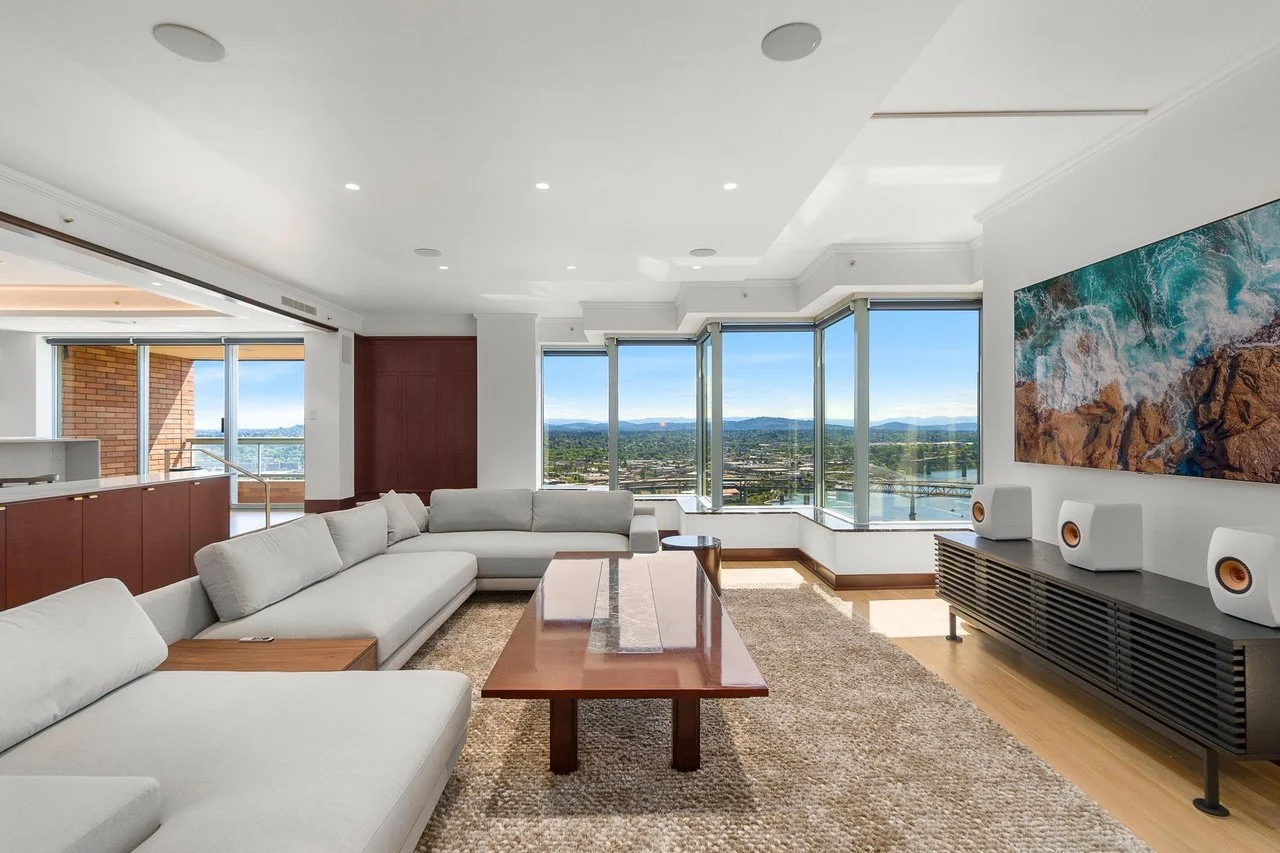
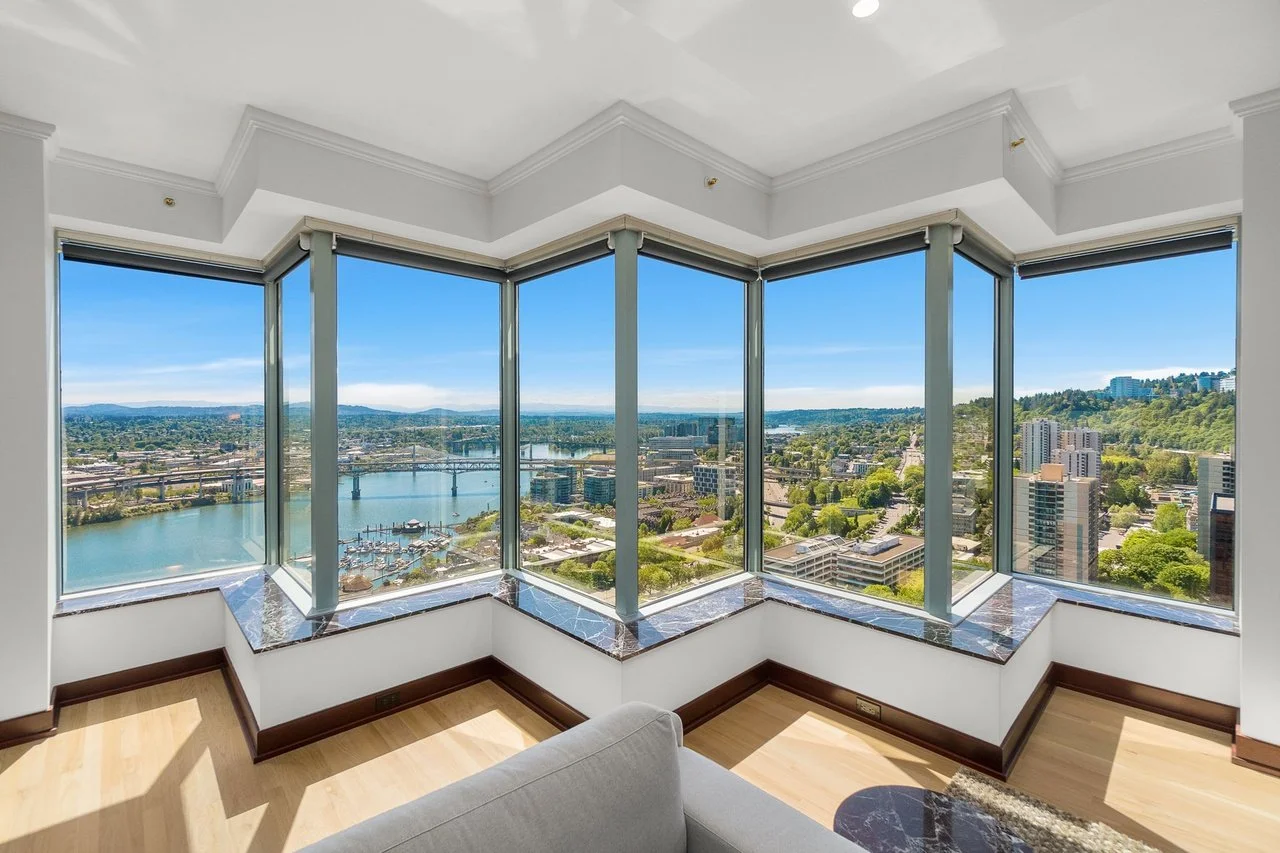
Aforma supported documentation and coordination for renovations within a multi-unit condominium governed by strict building regulations. By aligning design intent with structural, mechanical, and approval constraints, the team ensured proposed changes could move forward without risk to the building or neighboring units.
Overview

Supporting Renovation Within a Highly Regulated Building Environment

The Fountain Plaza Condominium project required careful coordination of proposed unit alterations within an existing multi-unit building. Aforma developed structured documentation to support the review and approval process, ensuring all modifications aligned with building rules, structural integrity, and shared systems.
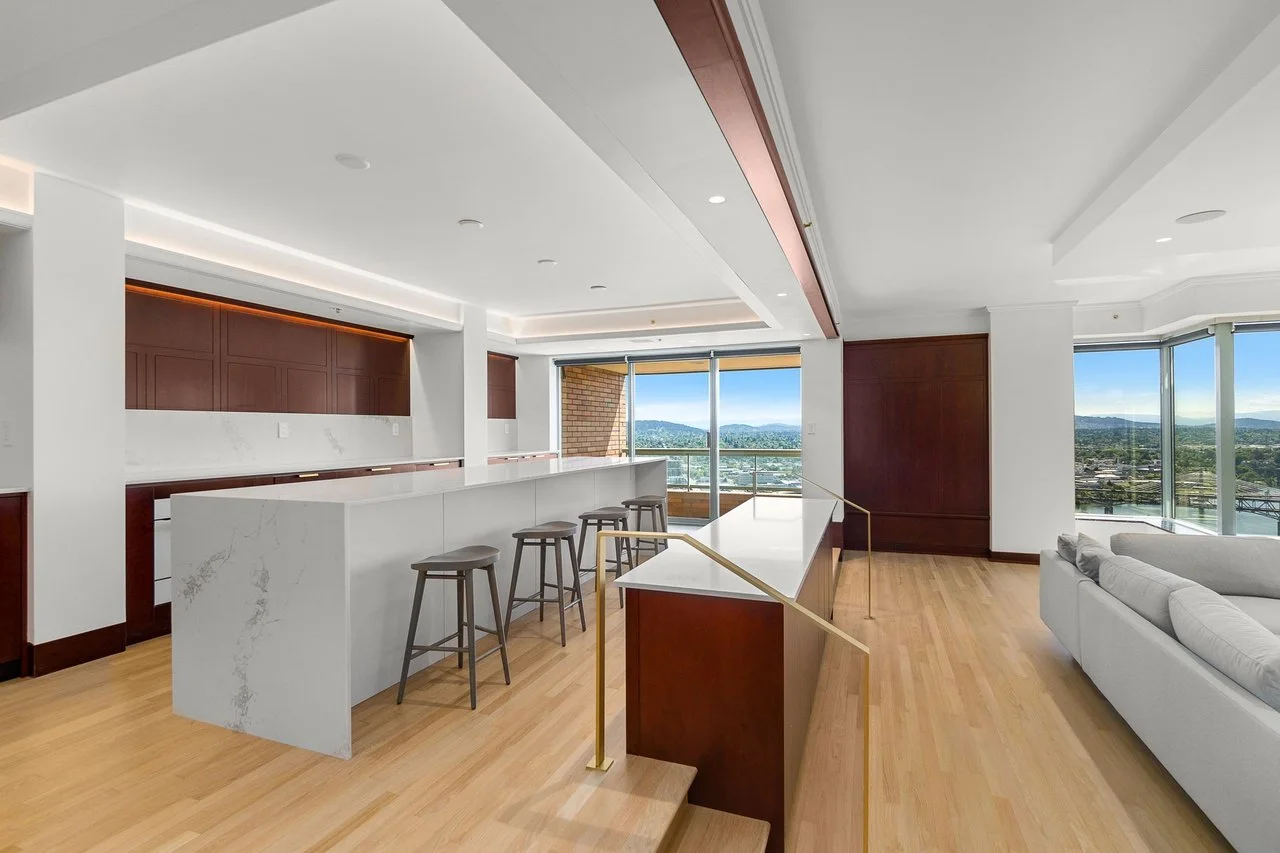
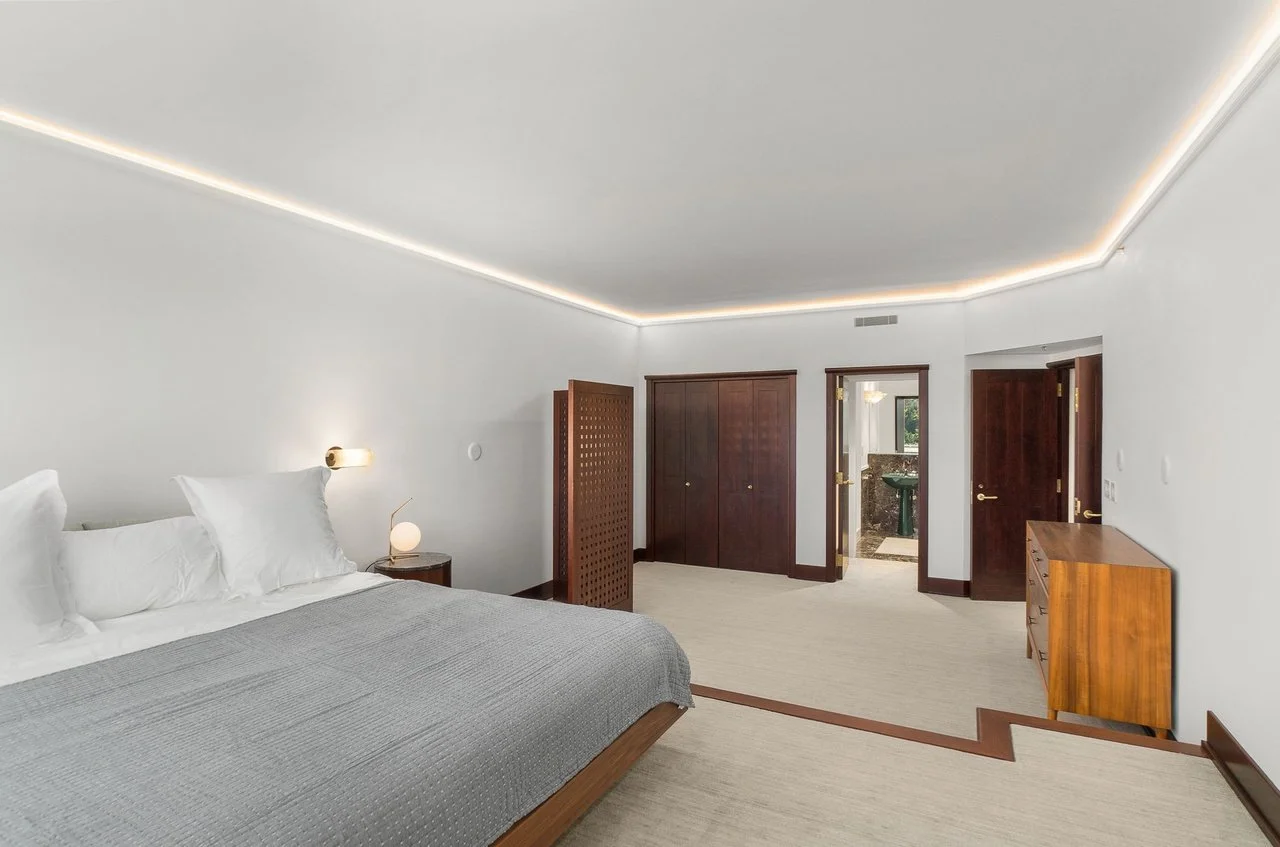
Location:
Portland, OR
Year:
2022
Status:
Completed
Collaborators
Architect, Structural Engineer
Project Type:
Multi-Unit Residential (Condominium)
Challenge

Working Within Structural, Mechanical, and Multi-Unit Constraints

Renovations within the building were subject to strict review by the Board, with limitations around structural elements, shared walls, mechanical systems, and utility connections. Any changes had to be clearly documented to avoid impacting other units or compromising the building’s integrity.

Approach

Coordinating Documentation for Compliance and Clarity

Aforma structured the documentation to clearly communicate proposed changes while respecting building constraints and approval requirements.

  • Developed coordinated drawings aligned with existing structural and system conditions
  • Clarified proposed penetrations, layout changes, and system modifications
  • Ensured documentation met review standards for board approval
  • Organized information to reduce ambiguity during evaluation and construction
Result

Clear, Compliant Documentation That Supports Approval and Execution

The final documentation provided a clear and structured basis for evaluating proposed alterations. With coordinated drawings and defined scopes, the project reduced approval friction and supported smoother coordination between stakeholders.

Improved Approval Readiness
Documentation aligned with review requirements, reducing delays in evaluation.
Reduced Risk to Adjacent Units
All proposed changes were clearly defined to prevent unintended impact on shared systems.
Clear Coordination Across Teams
Architectural and structural inputs were aligned through organized documentation.
Confident Execution
Builders and stakeholders worked from clear, approved documentation.