Residential
Renovation
Existing Conditions

Stoll Residence

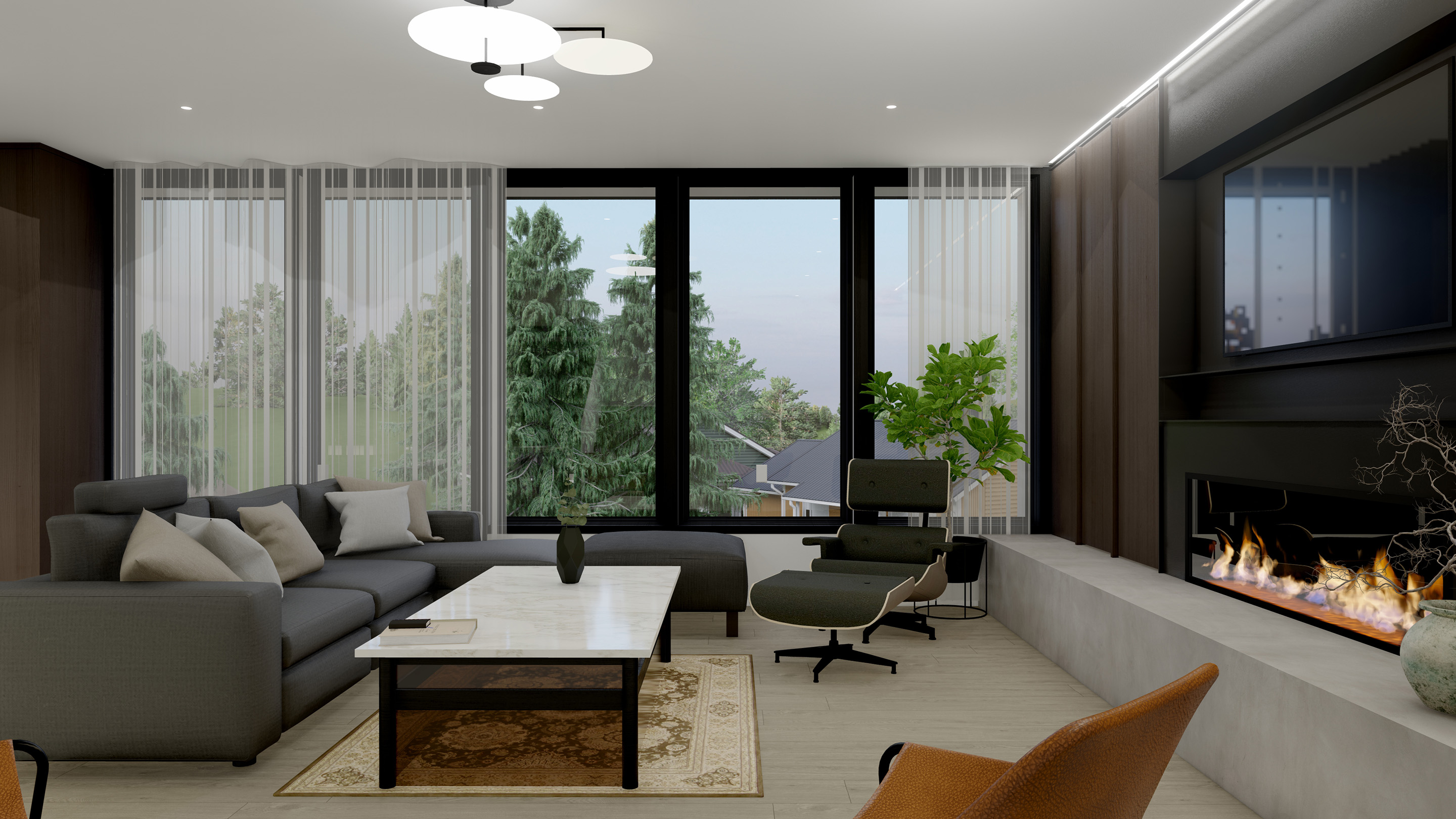
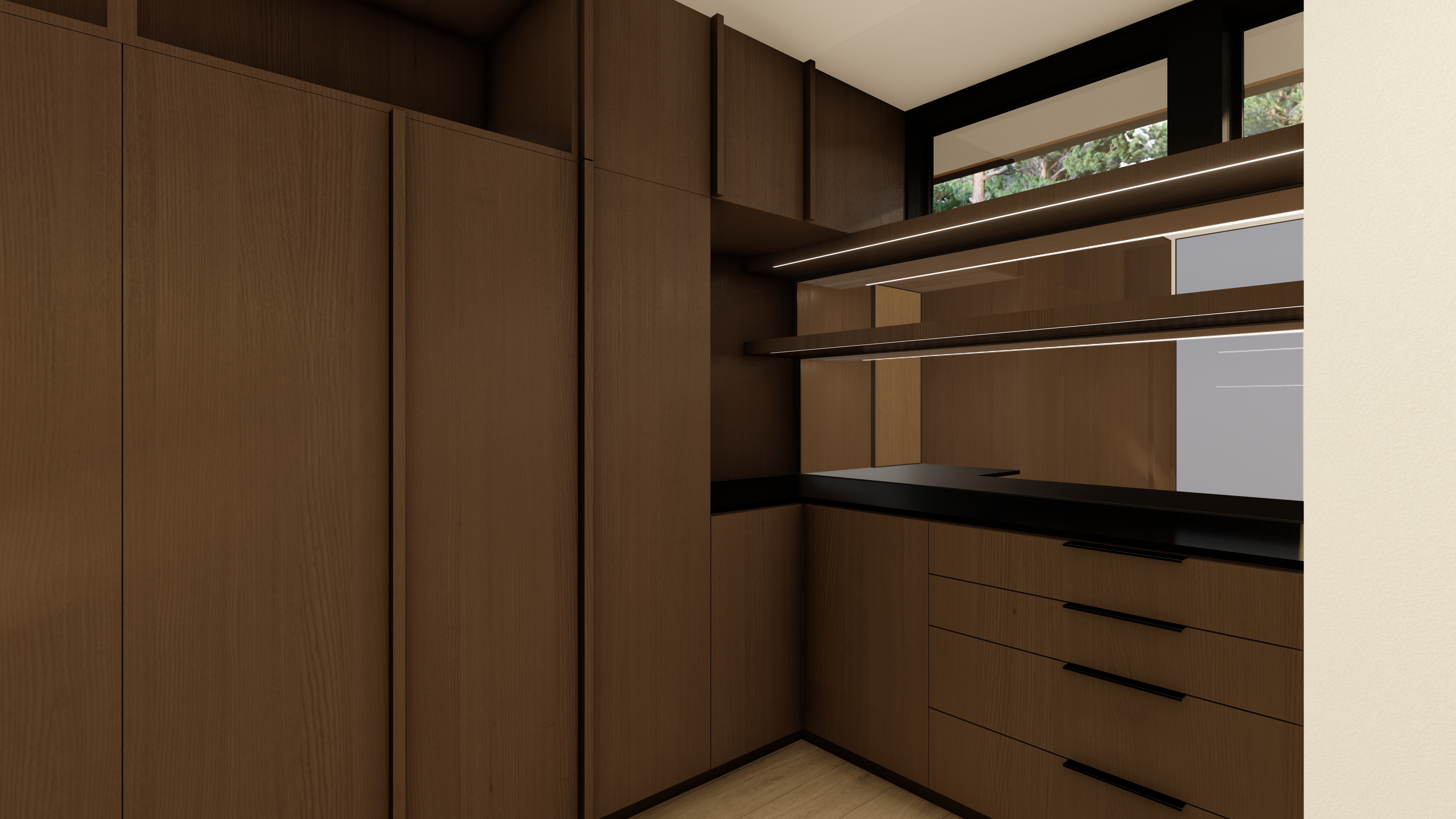
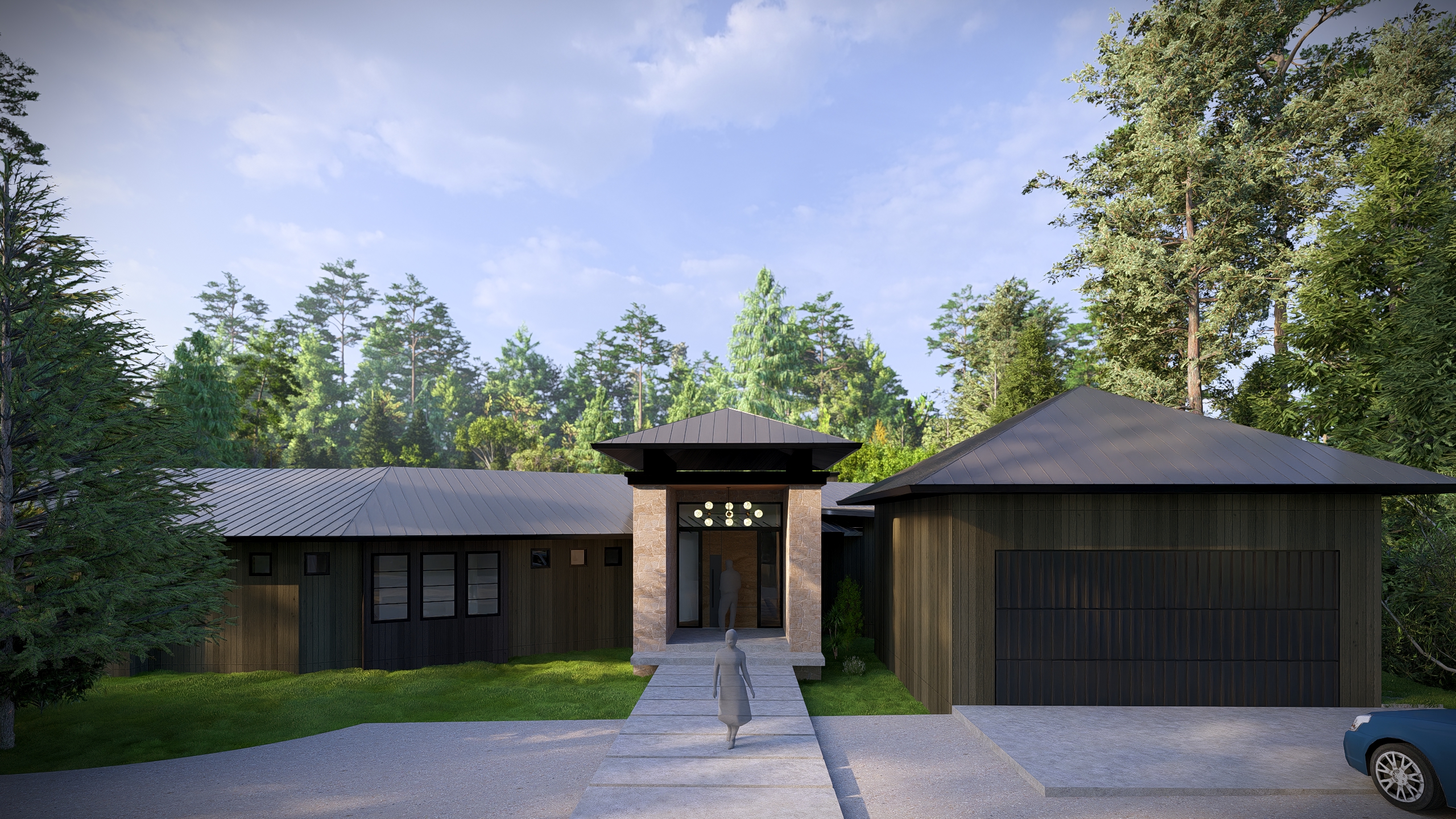
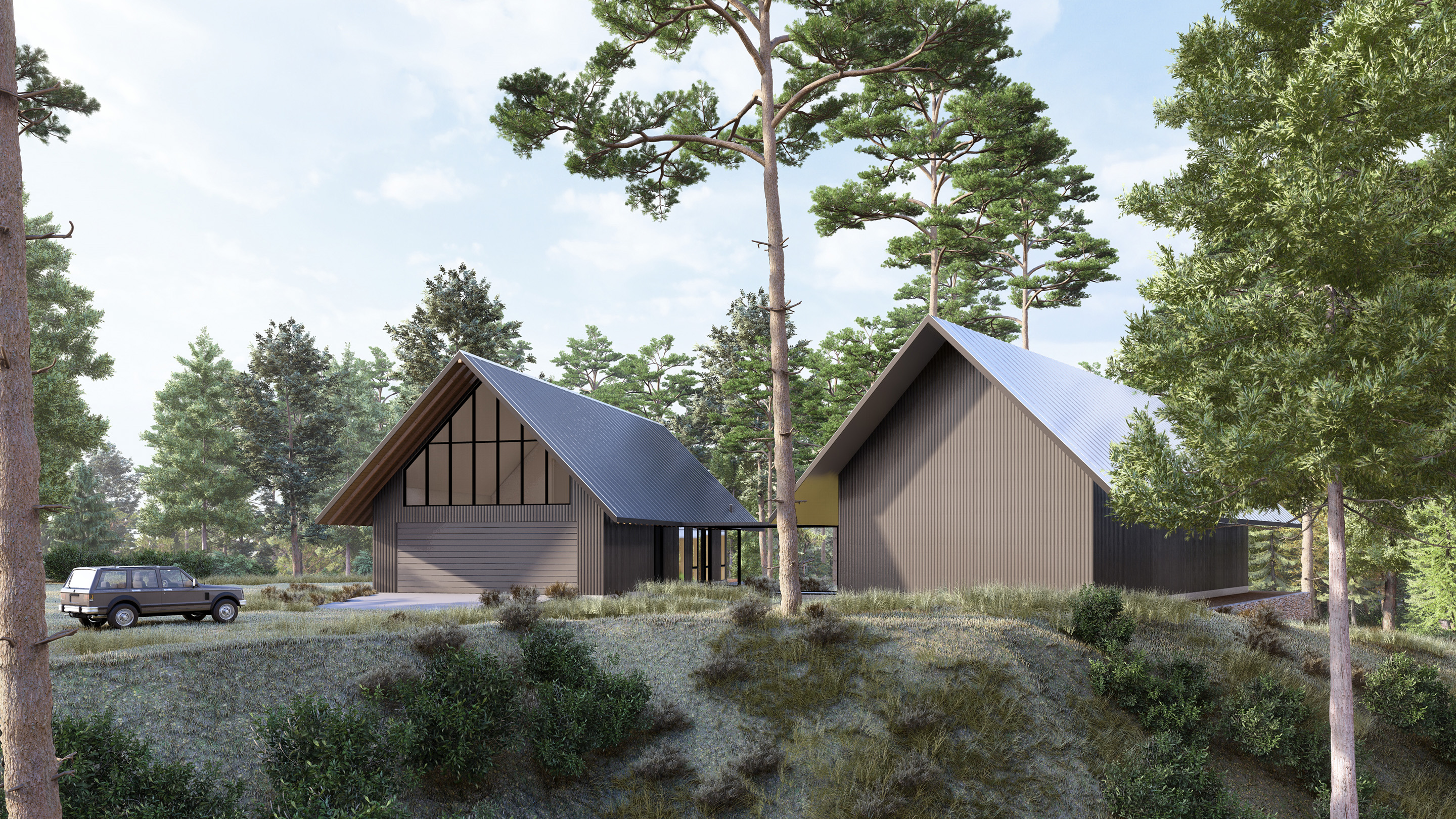
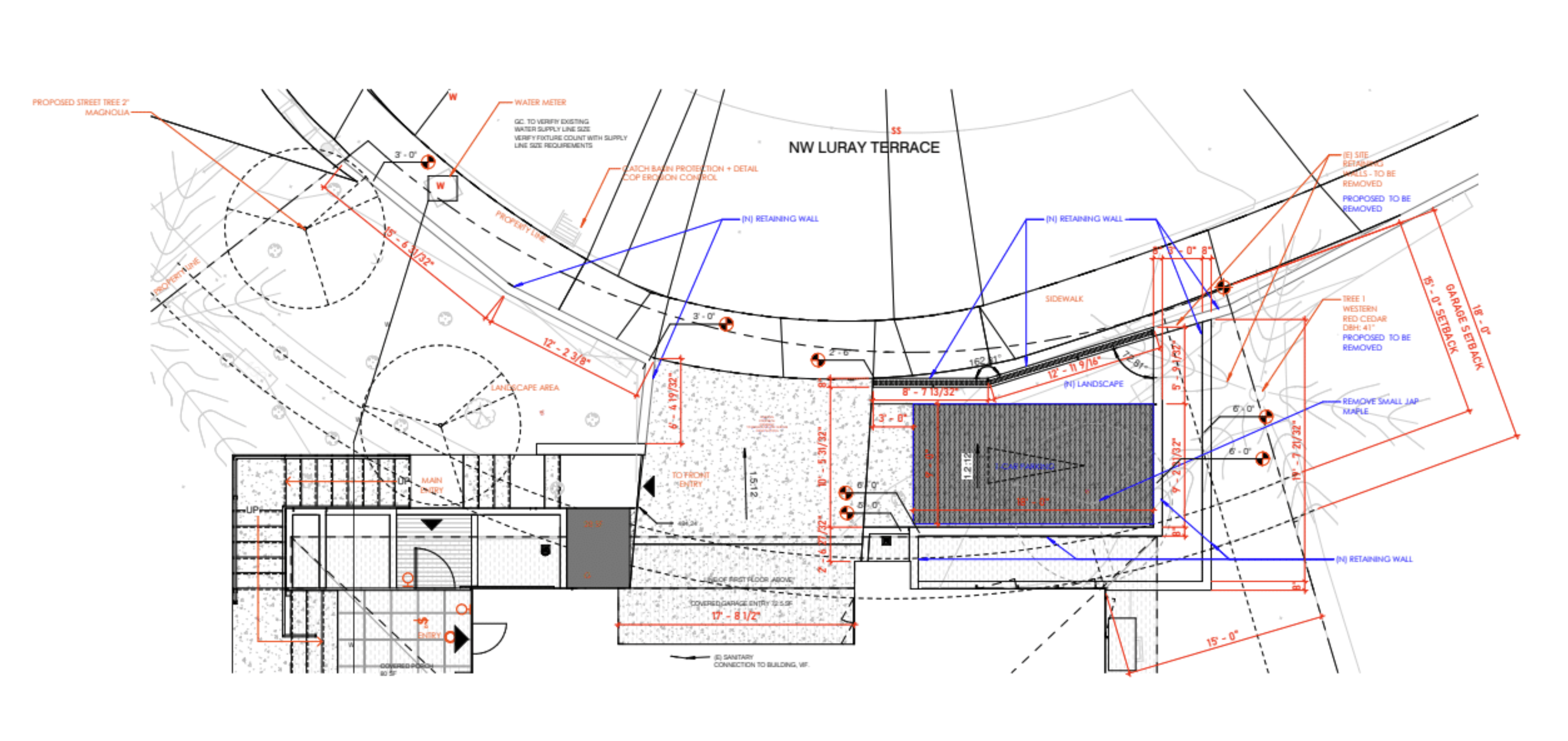
Aforma supported the documentation and modeling of an existing residential property to establish a reliable foundation for renovation. By translating real-world conditions into accurate digital models, the team enabled clearer planning, coordination, and decision-making before construction began.
Overview

Building a Reliable Foundation from Existing Conditions

The project required accurate documentation of an existing structure where original drawings were limited or outdated. Without a reliable base, design decisions risked misalignment with actual site conditions, leading to potential errors, delays, and rework during construction.

Location:
Portland, OR
Year:
2023
Status:
Completed
Collaborators
Architect, Structural Engineer
Project Type:
Single Family Residential
Challenge

Working from Incomplete and Unverified Existing Conditions

The project required accurate documentation of an existing structure where original drawings were limited or outdated. Without a reliable base, design decisions risked misalignment with actual site conditions, leading to potential errors, delays, and rework during construction.

Approach

Capturing, Modeling, and Verifying Real-World Conditions

Aforma translated site conditions into a coordinated digital model that could support both design and construction workflows.

  • Captured detailed spatial and structural conditions through scanning and reference data
  • Developed a clean, organized base model aligned with real dimensions
  • Structured drawings for clarity and usability across teams
  • Ensured consistency between existing conditions and proposed design inputs
Result

Accurate Base Models That Support Confident Design and Build Decisions

The final output provided a reliable digital representation of the home, allowing teams to move forward with design and planning without uncertainty. With verified dimensions and coordinated documentation, the project reduced the risk of conflicts and improved overall project efficiency.

Verified Existing Conditions
Accurate measurements and models eliminated guesswork early in the project.
Stronger Design Alignment
Design decisions were based on real conditions, reducing inconsistencies.
Reduced Build Risk
Fewer surprises during construction due to validated documentation.
Faster Project Readiness
Teams were able to move into design and planning with confidence.